Picking a machine, the decision often amounts to pivoting arm versus direct arm. Telescopic booms present ease of use and are commendable for vertical lifts, but segmented lifts provide greater maneuverability, authorizing access to challenging spaces. Reflect on the field site; if you’re mainly facing blockades or want more complex positioning, a jointed hoist is ordinarily the better option. However, for clear areas and elementary lifts, a direct boom might prove a better economic resolution.
Understanding Heavy-Duty Lifting Arm Handling Equipment: Tasks and Benefits
Heavy-Duty crane arm lifters represent a exclusive type of uphoisting equipment, developed for heavy load manipulation in tough surroundings. Their foremost attribute is a solid lifting boom fabrication, which allows for precise positioning and elevated stability, especially when operating in restricted spaces or at considerable heights. Common purposes cover bridge erection, production tasks, aero site mounting, and civic growth. The principal advantages include increased security, enhanced efficiency, and the aptitude to realize tasks that must be unattainable with usual devices. This equates to decreased expenses and improved mission returns.
Ship-to-Shore Hoists: The Powerhouses of Port Container Handling
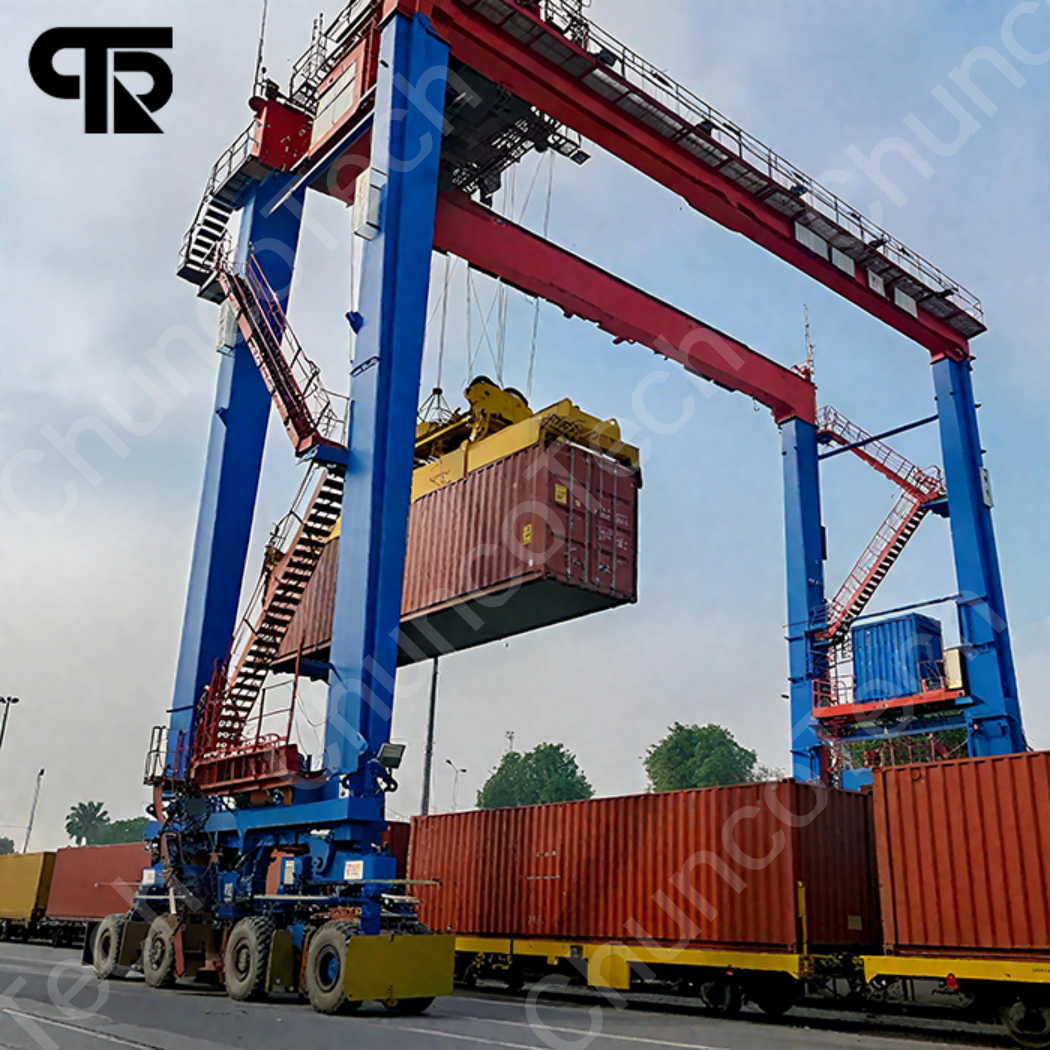
Latest monumental STS hoists represent the max of engineering accomplishment in the shipping industry. Designed to efficiently load and relocate containers between flotillas and the wharf, they are crucial for the smooth operation of modern wharves. Their elevation – often exceeding a century feet – and phenomenal load ability allow them to handle the most substantial container ships currently in activity, fundamentally molding global trade.
Knuckle Boom Cranes: Multitasking in Heaving Tasks
Folding hoists are renowned for their exceptional adjustability, providing personnel with a peculiar advantage in broad lifting duties. Possessing a rotating boom component, these powerful lifters can reach around hindrances and place items in restricted environs. This characteristic makes them appropriate for functions in formation, storage, supplies projects, and multiple other fields. In summary, knuckle boom machines offer a crucial solution to complicated carrying demands.
Straight Boom Cranes: Exactness and Constancy Described
Constant arm machines are well-known for their notable power to deliver spot-on lifting and installation of objects. Compared with articulating models, their clear design generates inherent firmness, making them recommended for engagements requiring significant amounts of direction and minimal shift. This attribute is eminently important in development sites and domains where tight tolerances are vital.
Rigid Crane Machine Advantages: While Inflexibility Is Crucial
Standard crane arm tools often face challenges with elasticity, especially when supporting heavy items or working at major lengths. Nonetheless, solid lifting boom installations afford a distinct advantage by reducing excessive vibration. This greater control converts to protected activities, greater exactness, and a decreased likelihood of weight movement. Hence, heavy-duty cranes are suited for tasks where mechanical soundness is essential.
Ship-to-Shore Cranes: Certain Complete Exploration into STS Frameworks
Certain jetty elevator mechanism represents one essential component in modern transport yards. Latest ship-to-shore machines are sophisticated formulations fabricated to competently offload boxes removed from gigantic maritime carriers to shoreline apparatus. Their respective operation depends on exactness design and built-in operations to maintain safety and boost efficiency.
Comparing Lifting Kinds: Variflex, Extendable, Fixed, and Pier
Opting for the ideal lifting apparatus for a definite application is imperative. While many alternatives exist, four normal forms – knuckle cranes, linear cranes, luffing cranes, and jetty cranes – showcase significantly diverse abilities. Knuckle cranes deliver exceptional maneuverability due to their articulated boom, making them befitting for tight regions. Straight cranes supply versatile stretch through their expandable segment, first-rate for widespread raising demands. Strong cranes maintain a plumb piece, favorable for detailed positioning where security is paramount. Finally, Dockside cranes, created expressly for cargo management at jettys, include substantial elevating strength and extended spread.
- Articulating Loader Styles
- Straight Hoisting Categories
- Tough Lifting Models
- Portside Apparatus Varieties
This Transformation In relation to STS Cranes: Developments and Breakthroughs
Along recent phases, STS (Ship-to-Shore) crane technology has undergone a considerable change, powered by calls for increased port throughput. Early STS cranes were somewhat simple constructions, applying basic performing mechanisms. Now, contemporary STS cranes incorporate sophisticated robotics, including cutting-edge control systems, responsive positioning competencies, and upgraded safety precautions. A key emergence is the combining of electric propulsion, minimizing pollution and enhancing operational longevity. Besides, the rise increasingly widespread computerized operation and intelligent maintenance are modifying the environment connected to STS crane deployment. The horizon sees persistent concentration on resource optimization and the creation of even taller cranes to accommodate constantly bigger container crafts.
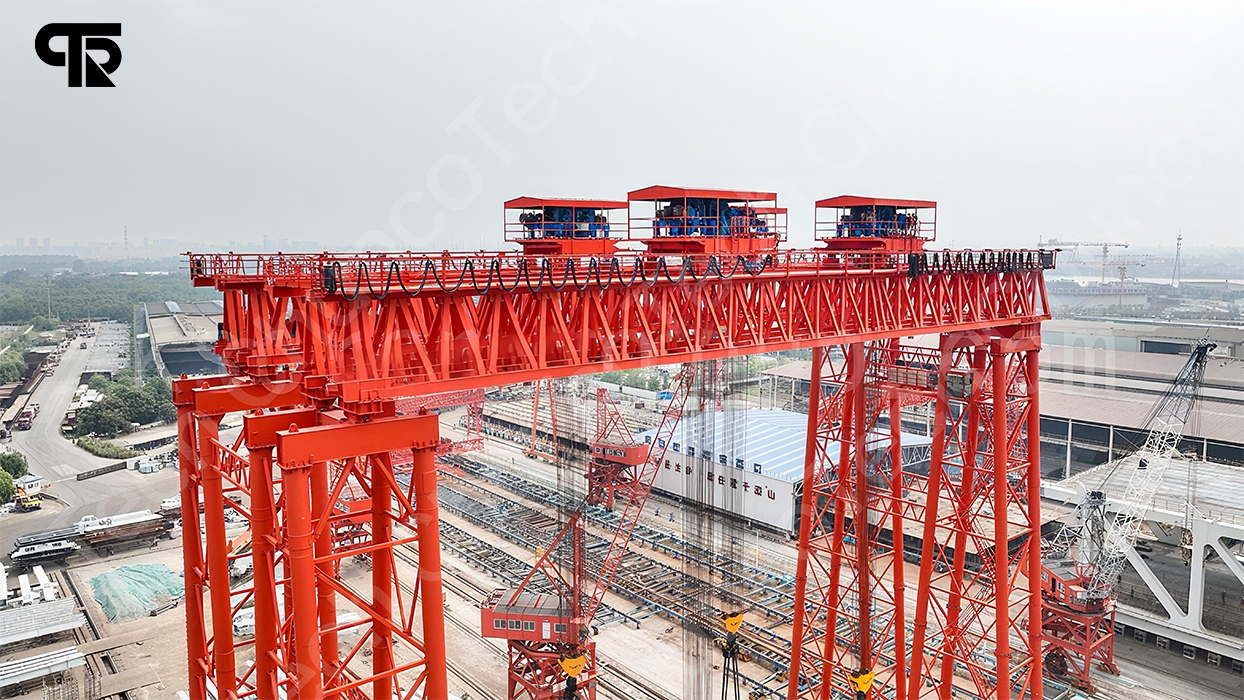 Stiff Boom Crane