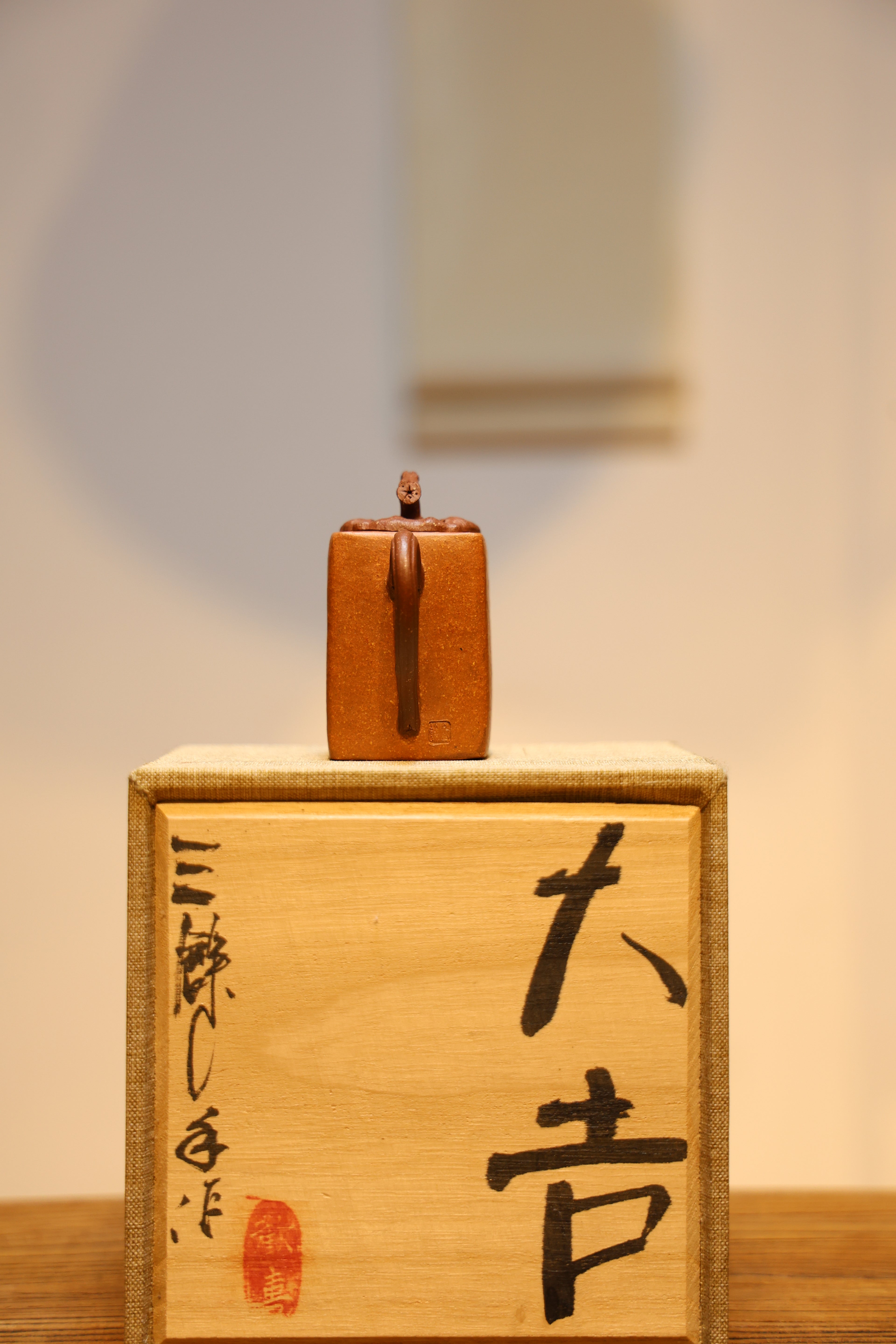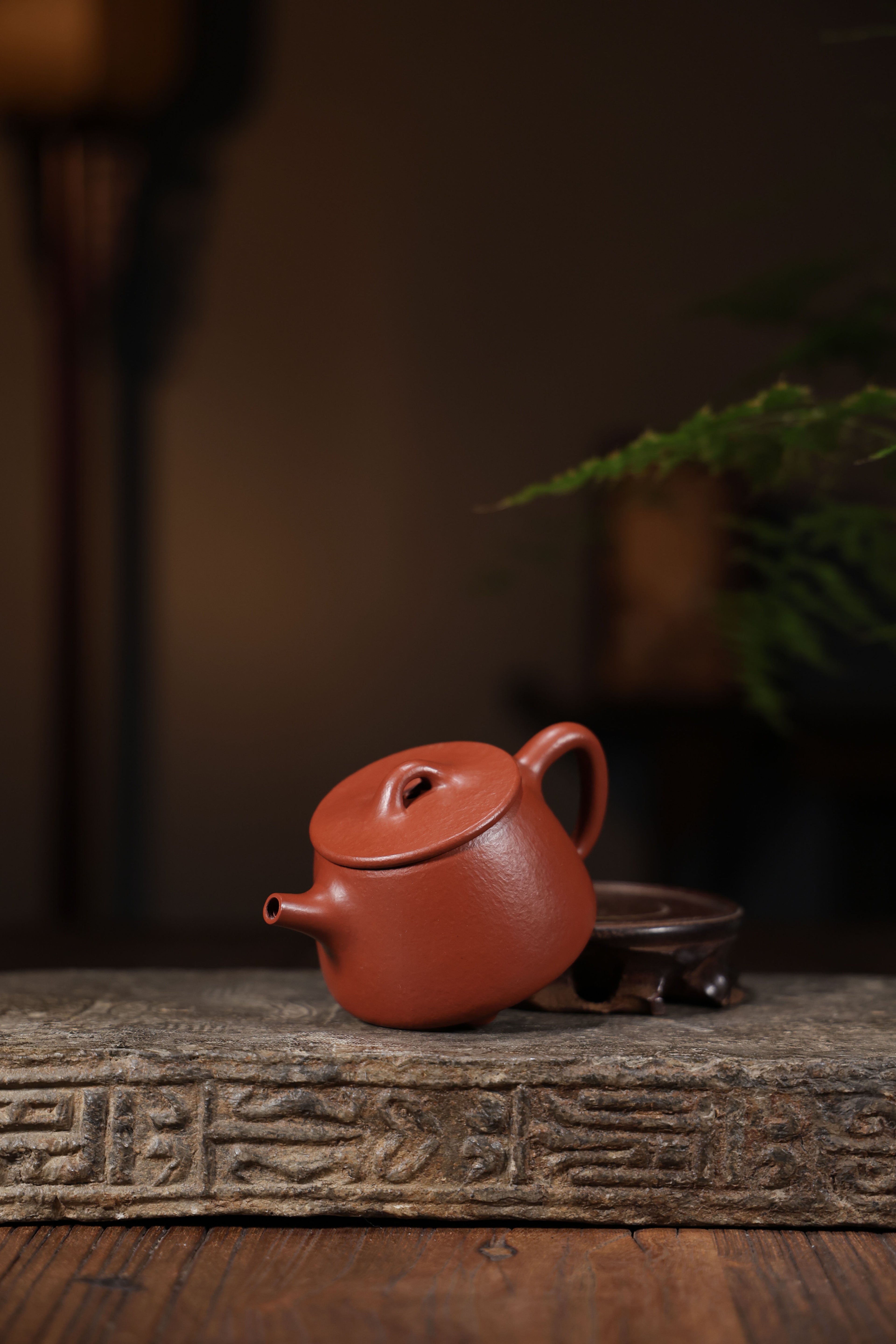
Generations in aficionados have sought the exceptional fascination of Yixing Zisha pitchers. Born in the tranquil town of Yixing, the country, these teapots are made from a uncommon and mined purple clay noted for its exceptional thermal elements and facility to amplify the savor of liquids. More than their operative merit, Zisha teapots symbolize a lasting social foundation, transforming them exceptionally valued and a genuine wonder for any enthusiastic teapot appreciator.
Delving into Yixing Teapots
Classic teapots illustrate a unusual blend of history and seasoned craftsmanship. Existing in Yixing, Jiangsu District of China, their narrative traces to the Ming Dynasty, although manifestations suggest earlier instances. The special burgundy clay, called Zisha, found particularly in the Yixing region, is the crucial component, contributing to the pots' superior heat keeping and the manner they alter the taste of tea. Epochs of potters have enhanced techniques—often passed down through families—including crafting the clay, applying elaborate embellishments, and firing the pots at deliberate temperatures.- Initially, Yixing teapots were often adorned with simple designs.
- In due course, more elaborate carvings and graphic motifs became accepted.
- The heat treatment itself is a key element, requiring lengthy phases of knowledge.
Obtaining Zisha Teapots: Critical Aspects
Setting out on a pursuit to procure Zisha pots can be profitable, but it’s important to discern what to examine. Authenticity is fundamental; focus on the material’s natural tinge, a gentle reddish-brown is conventional. Examine the texture; genuine Zisha has a special tactile sensation, often noted as slightly textured. The outline should be pleasing and consistent with time-honored styles, while seals, if present, require thorough examination for reliability. Don’t postpone to consult with knowledgeable enthusiasts or respected sources – their expertise is immeasurable.
Renowned Vessels: Investigating the History of renowned Purple Clay
Epochs have seen Yixing Violet Clay teapots preserve a special role in Chinese history. These skillfully produced pots, sourced solely from the territory of Yixing, are noted for their peculiar pigmentation, composition, and their ability to improve the taste of beverages. A multitude of collectors strive for antique Yixing teapots, admiring them significantly not only for their aesthetic magnificence, but also for the history they symbolize.
Yixing Zisha Teapots: Distinguished Best Types and Their Characteristics
Yixing Zisha teapots, coming from the local region of Yixing, the People’s Republic, are famed for their special clay and exceptional brewing qualities. Within the various Zisha types, certain selections that are highly respected include Baiwei. Binzhou, known for its vivid purple shade and silky texture, delivers a delicate flavor. Duan Ni subclass, recognizable by its rusty color and a bit grainy feel, is thought to enhance tea’s heft. Lastly, Zhuni form boasts an extraordinary ruby tone and can give a sweet nuance. Each breed yields a varied experience, causing them very desirable regarding concoction enthusiasts.
Conquering One’s Purple Clay Cup
To realize the essence of your Yixing kettle, learning the correct procedure is vital. These clay containers, celebrated for their porosity, will successively retain the character of the tea you brew within them. Begin by purifying the pot thoroughly with warm water. Then, use only excellent natural leaf tea, as lower quality options can harm the pot’s delicate qualities. Always permit the leaves to expand completely, and remember that with each preparation, your Yixing vessel will become perpetually distinct.
Maintaining Your Rare Zisha Heirloom
Proper management for your Zisha pot is essential to safeguarding its character and esteem. Zisha clay, recognized for its unique tinge and feel, requires precise handling. Never use severe substances, as these can injure the Yixing Teapot covering. After every infusion, rinse the urn with tepid water and allow it to dehumidify completely.
- Do not soaking the pitcher for extended times.
- Sometimes use a soft towel to dust the exterior.
- Weigh applying a thin layer of food-grade lubricant inside the urn after drying, which can prevent staining.
Getting Started with Yixing Kettles
Yixing teapots, originating from the Yixing territory in Jiangsu Province, in the People's Republic, are celebrated for their distinctive attributes. Constructed from the unique purple compound known as Zisha, these containers are prized by brew enthusiasts worldwide. This summary will simply explain the core elements – covering categories of Zisha clay, widespread shapes, and necessary care pointers. Understanding the history of Yixing vessels can broaden your appreciation for this revered example of Mandarin heritage.
Skill of Han Pitchers: Presenting Zisha originating in the Yixing area
Zisha soil from Yixing locality represents the peak of Chinese pot design, possessing a singular amalgamation of raw beauty and effective artistry. These famous pieces are honored for their rich color palettes, often spanning dark purples and red hues to soft greys and light beiges. The distinctive mineral composition of the native Zisha material imparts a defining texture and yields a desirable aroma that boosts the entire beverage experience, transforming them extremely prized collectibles and critical components of any serious brew.