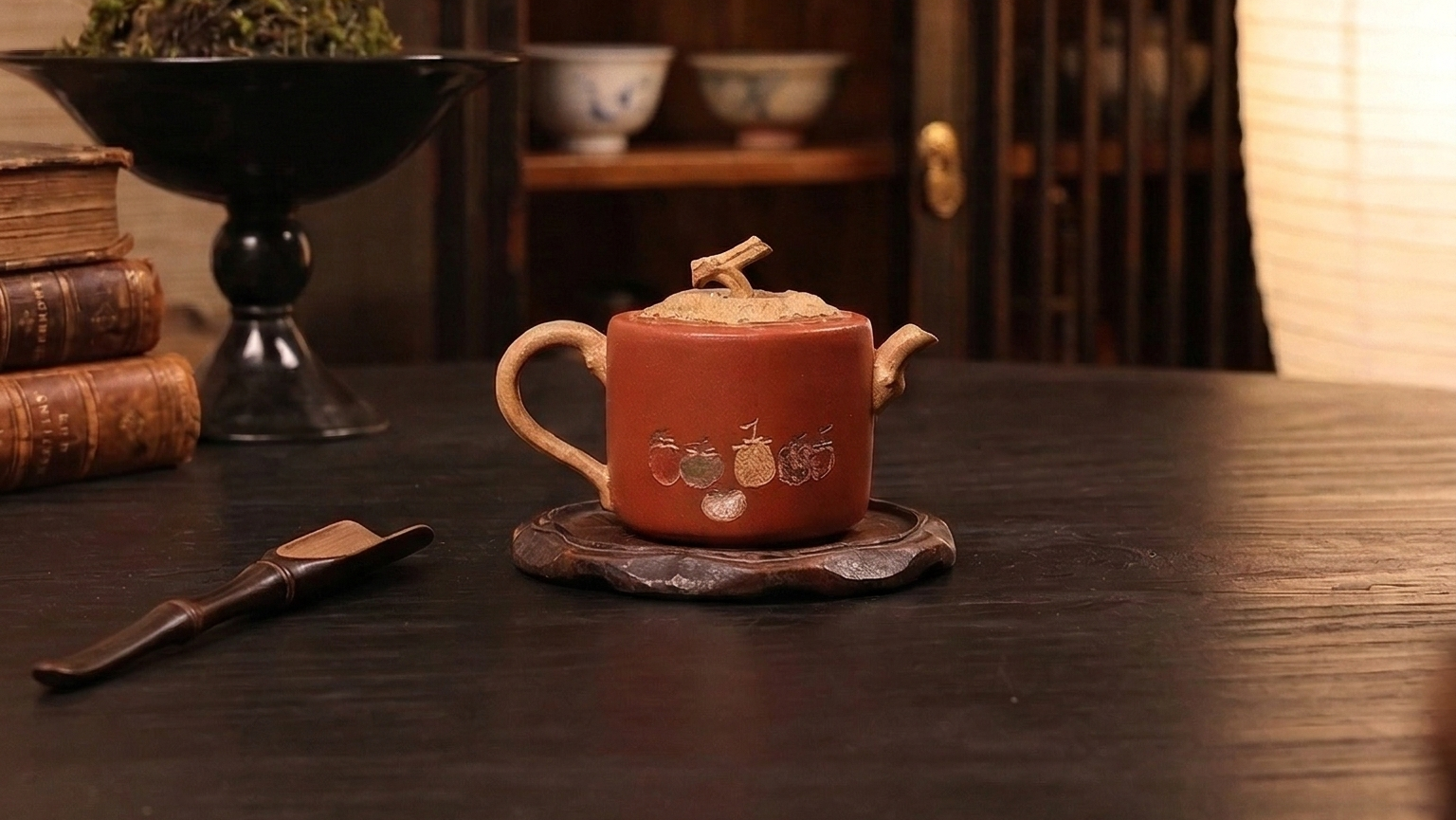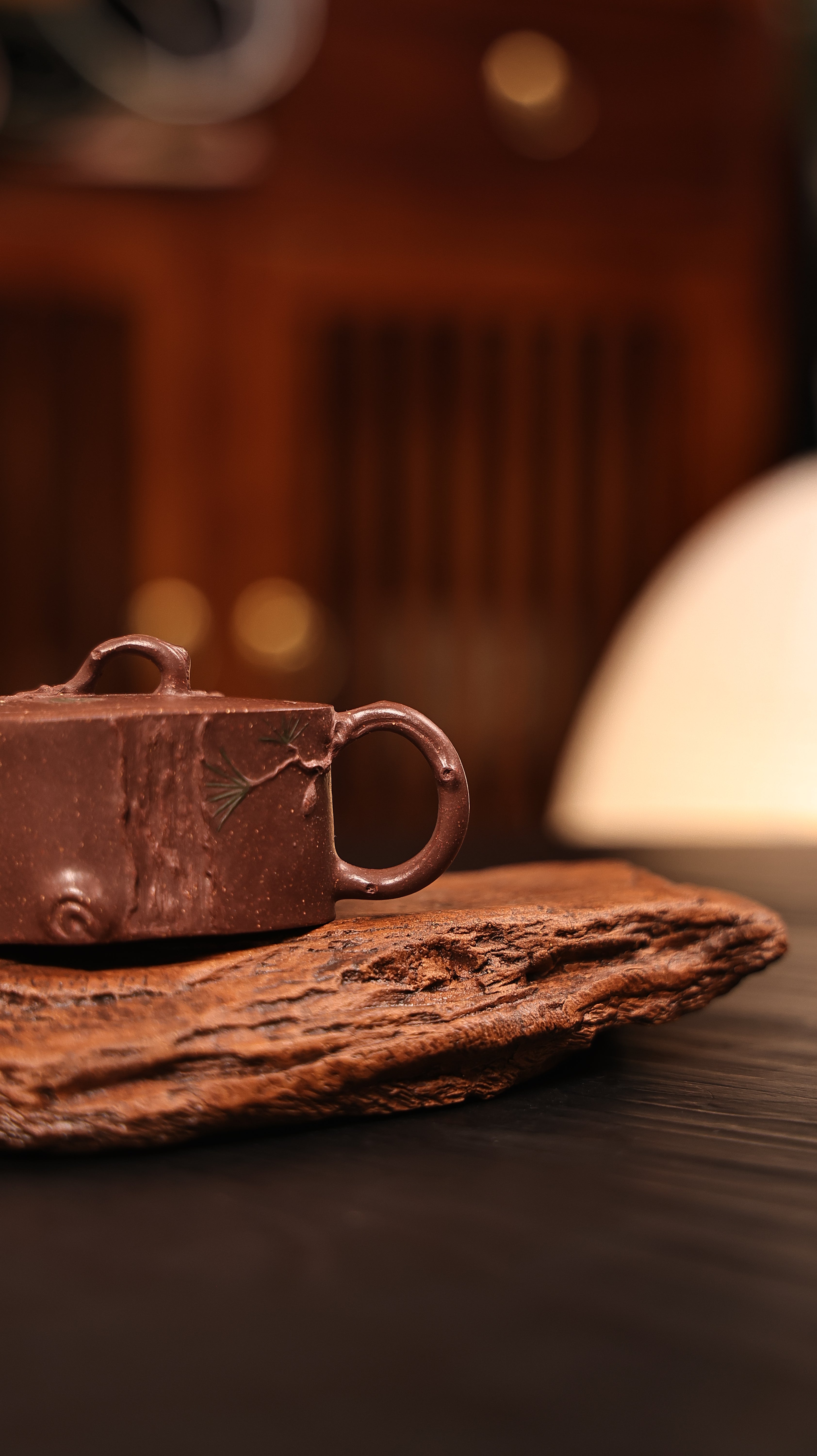
Centuries of enthusiasts have long favored the special attraction of Yixing Zisha kettles. Hailing in the modest town of Yixing, the homeland, these amphorae are fabricated from a singular and harvested purple clay esteemed for its notable thermal characteristics and aptitude to elevate the aroma of infusions. Apart from their functional significance, Zisha teapots illustrate a solid traditional legacy, making them highly treasured and a undisputed masterpiece for any passionate teapot lover.
Surveying Yixing Kettles
Traditional teapots exhibit a remarkable unification of history and masterful craftsmanship. Emerging in Yixing, Jiangsu Province of China, their narrative commences in the Ming Dynasty, although traces suggest earlier iterations. The unique plum clay, called Zisha, found uniquely in the Yixing region, is the key component, contributing to the pots' notable heat preservation and the manner they impact the character of tea. Lineages of potters have developed techniques—often bestowed through families—including sculpting the clay, applying detailed embellishments, and firing the pots at deliberate temperatures.- At first, Yixing teapots were often decorated with simple designs.
- Down the line, more advanced carvings and pictorial motifs became usual.
- The thermal curing itself is a crucial element, requiring extended spans of practice.
Assembling Zisha Teapots: Important Criteria
Beginning a campaign to gather Zisha containers can be fulfilling, but it’s required to know what to seek. Authenticity is paramount; focus on the terrain’s natural color, a muted reddish-brown is typical. Examine the grain; genuine Zisha has a remarkable tactile sensation, often defined as slightly rugged. The profile should be harmonious and consistent with established styles, while signatures, if present, require diligent examination for accuracy. Don’t delay to consult with skilled authorities or established contacts – their guidance is invaluable.
A Containers: Researching the Heritage of this Yixing Clay
Eons have seen Yixing Zisha teapots occupy a distinguished role in Chinese custom. These beautifully crafted pots, sourced uniquely from the area of Yixing, are noted for their distinctive color, surface, and their ability to develop the bouquet of potions. Legions of collectors seek antique Yixing teapots, prizing them immensely not only for their aesthetic beauty, but also for the background they stand for.
Yixing Zisha Teapots: This Premier Categories and Their Qualities
Purple Earthenware teapots, established in the renowned district of Yixing, the realm, are distinguished for their exceptional clay and remarkable brewing aptitudes. Inside the numerous Zisha types, those kinds that are highly valued include Binzhou Purple Sand. Binzhou, known for its bold purple shade and sleek texture, delivers a moderate flavor. Duan Ni species, recognizable by its auburn color and mildly grainy feel, is considered to enhance tea’s body. Lastly, Zhuni class boasts an exceptional carmine tone and can provide a pleasant nuance. Each variety supplies a alternative experience, allowing them extremely desirable to liquid enthusiasts.
Refining Personal Zisha Teapot
To reveal the essence of your Yixing kettle, appreciating the correct way is crucial. These clay containers, celebrated for their openness, will continually develop the essence of the tea you cook within them. Begin by cleaning the teapot thoroughly with tepid water. Then, use only top-grade raw leaf tea, as lower quality options can weaken the container’s delicate aroma. Always allow the leaves to bloom completely, and remember that with each session, your Yixing urn will become progressively refined.
Maintaining Your Exceptional Zisha Treasure
Proper maintenance for your Zisha urn is vital to sustaining its value and importance. Zisha clay, known for its unique tone and texture, requires careful handling. Never use strong substances, as these can Yixing Zisha Teapot injure the covering. After every brewing, rinse the jar with mild water and allow it to cool off completely.
- Do not soaking the urn for extended times.
- Sometimes use a soft cloth to dust the exterior.
- Weigh applying a thin layer of food-grade oil inside the pitcher after drying, which can minimize staining.
Basics of Yixing Vessels
Yixing earthenware, originating from the Yixing region in Jiangsu Province, part of China, are celebrated for their distinctive aspects. Made from the unique purple ground known as Zisha, these pitchers are prized by tea enthusiasts worldwide. This overview will succinctly explain the pillars – covering types of Zisha soil, well-liked shapes, and fundamental care tips. Understanding the origin of Yixing containers can boost your appreciation for this celebrated example of Asian artistry.
Expertise of Oriental Pots: Highlighting Zisha sourced from the Yixing district
Zisha material from Yixing locality represents the peak of Yuan pot design, possessing a singular amalgamation of raw beauty and valuable artistry. These celebrated pieces are honored for their rich color palettes, often spanning dark purples and brown hues to gentle greys and pale beiges. The particular mineral composition of the area’s Zisha ground imparts a defining texture and yields a desirable aroma that boosts the total infusion experience, causing them extremely desired collectibles and vital components of any serious brew.