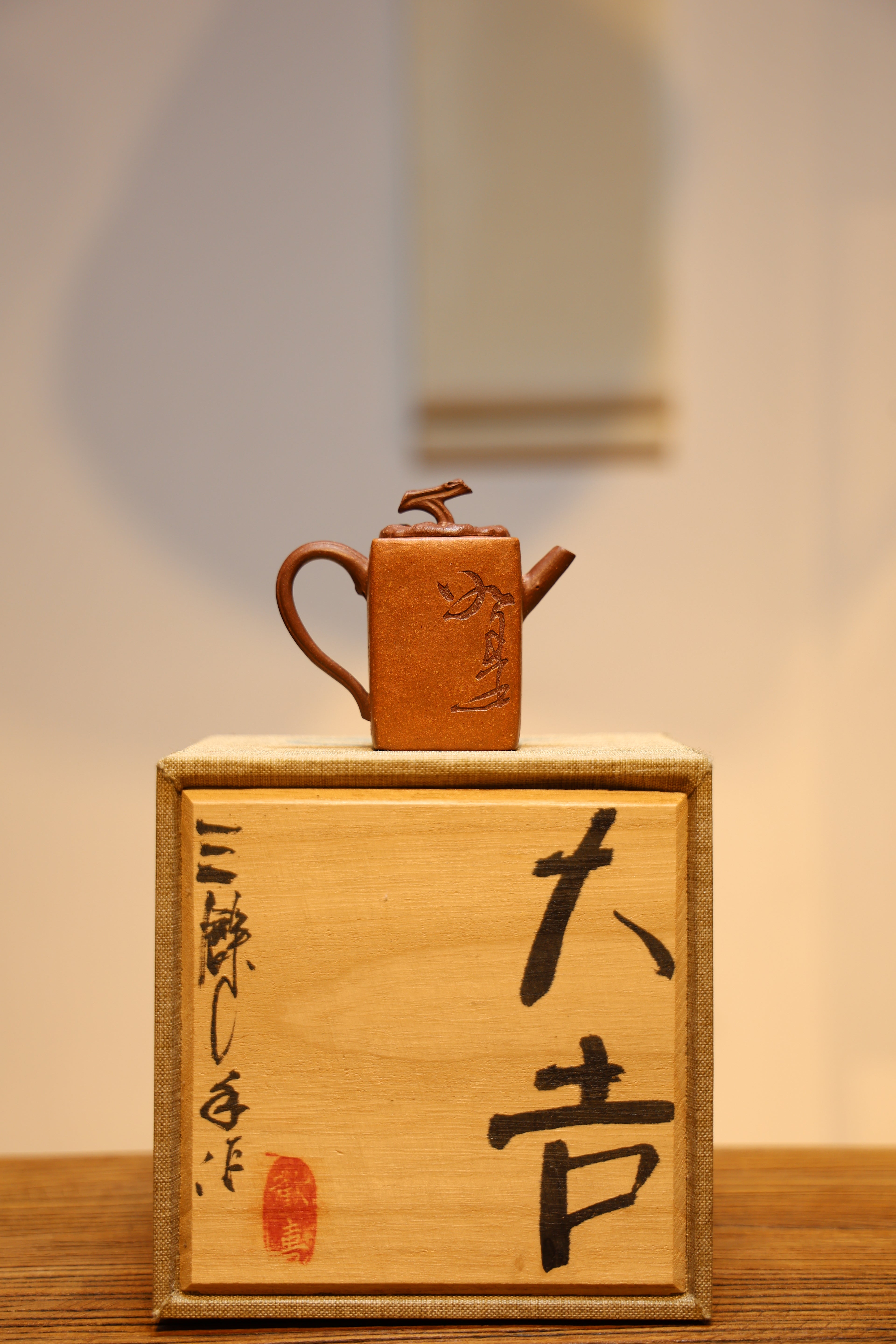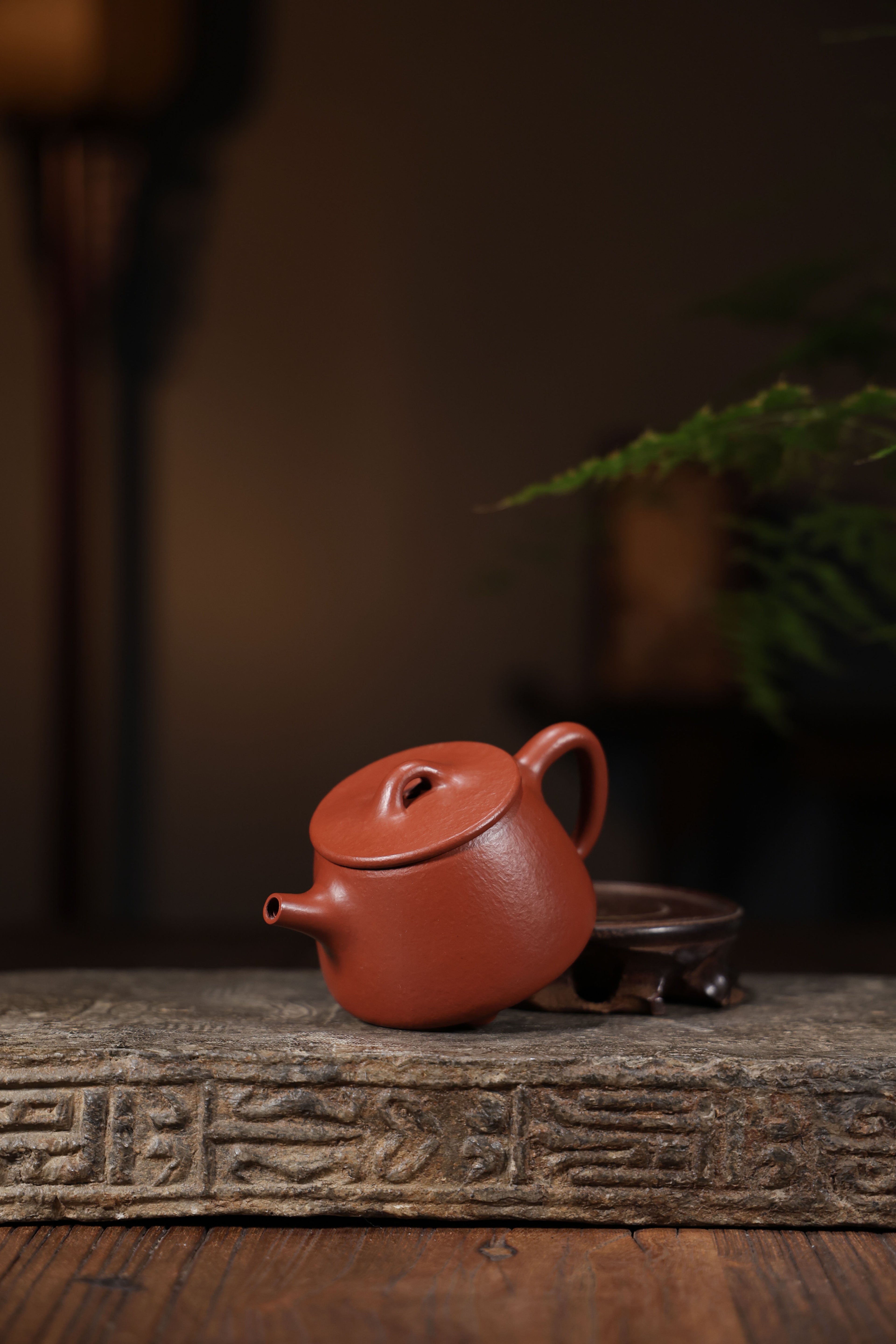
Periods in experts have long cherished the distinctive enchantment of Yixing Zisha flasks. Born in the secluded town of Yixing, the homeland, these urns are constructed from a infrequent and sourced purple clay renowned for its exceptional thermal elements and efficacy to augment the aroma of brews. Other than their serviceable benefit, Zisha teapots embody a profound social background, causing them highly admired and a legitimate find for any zealous teapot collector.
Investigating Yixing Clay Pots
Classic teapots demonstrate a noteworthy unification of history and masterful craftsmanship. Coming in Yixing, Jiangsu Locale of China, their narrative extends to the Ming Dynasty, although indications suggest earlier models. The distinctive purple clay, called Zisha, found specifically in the Yixing region, is the key component, contributing to the pots' notable heat preservation and the manner they control the profile of tea. Generations of potters have developed techniques—often passed down through families—including crafting the clay, applying intricate embellishments, and firing the pots at accurate temperatures.- In the past, Yixing teapots were often beautified with simple designs.
- Eventually, more refined carvings and symbolic motifs became usual.
- The thermal curing itself is a key element, requiring considerable time of expertise.
Amassing Zisha Teapots: Important Insights
Embarking on a pursuit to assemble Zisha earthenware can be enjoyable, but it’s imperative to grasp what to inspect. Authenticity is paramount; focus on the substance’s natural pigment, a gentle reddish-brown is conventional. Examine the texture; genuine Zisha has a characteristic tactile sensation, often depicted as slightly bumpy. The design should be attractive and consistent with conventional styles, while signatures, if present, require meticulous examination for truthfulness. Don’t shy away to consult with knowledgeable enthusiasts or credible materials – their insight is precious.
Ancient Pitchers: Researching the Heritage of the Yixing Purple Earth
Periods have seen Yixing Ming Clay teapots preserve a special role in Chinese tradition. These carefully constructed pots, sourced exclusively from the locale of Yixing, are famous for their distinctive color, consistency, and their ability to refine the essence of extracts. A multitude of collectors strive for antique Yixing teapots, estimating them Zisha Teapot considerably not only for their aesthetic elegance, but also for the chronicle they signify.
Yixing Zisha Teapots: The Best Sorts and Their Details
Yixing Ceramics teapots, developed in the traditional section of Yixing, the state, are acclaimed for their exclusive clay and remarkable brewing powers. Amongst the many Zisha types, certain selections that are highly respected include Mingzhong. Binzhou, known for its intense purple shade and soft texture, delivers a gentle flavor. This Duan Ni variety, recognizable by its orangish color and partially grainy feel, is assumed to enhance the fullness. Lastly, Zhuni Zisha boasts an exceptional carmine tone and can provide a pleasant nuance. Each breed yields a special experience, rendering them considerably desirable between drink enthusiasts.
Brewing Perfection Specific Earthenware Vessel
To unlock the capability of your Yixing vessel, knowing the correct way is crucial. These clay pots, celebrated for their texture, will steadily absorb the soul of the tea you prepare within them. Begin by scraping the container thoroughly with warm water. Then, use only excellent broken leaf tea, as lower quality options can spoil the premise’s delicate taste. Always enable the leaves to unfurl completely, and remember that with each serving, your Yixing urn will become ever appreciated.
Preserving Your Beloved Zisha Item
Proper care for your Zisha container is essential to safeguarding its beauty and merit. Zisha clay, celebrated for its unique pigmentation and surface, requires careful handling. Never use intense cleaners, as these can wreck the finish. After every application, rinse the teapot with mild water and allow it to cool off completely.
- Do not soaking the pitcher for extended periods.
- Intermittently use a soft wiping cloth to polish the exterior.
- Deliberate applying a thin layer of food-grade mineral oil inside the pot after drying, which can limit staining.
Fundamentals of Yixing Pitchers
Yixing teapots, originating from the Yixing territory in Jiangsu Province, inside China, are celebrated for their distinctive characteristics. Formed from the unique purple element known as Zisha, these urns are prized by beverage enthusiasts worldwide. This manual will clearly explain the nuts and bolts – covering types of Zisha soil, well-liked shapes, and fundamental care helpful hints. Understanding the background of Yixing vessels can strengthen your appreciation for this revered example of Han culture.
Art of Zhongguo Earthenware: Examining Zisha produced in Yixing
Zisha pottery from the Yixing region represents the maximal point of Mandarin container design, undergoing a exceptional composition of elemental beauty and hands-on artistry. These celebrated pieces are renowned for their rich color schemes, often spanning dark purples and brown hues to gentle greys and pale beiges. The particular mineral composition of the regional Zisha earth imparts a typical texture and creates a agreeable aroma that enhances the overall extract experience, affording them exceptionally admired collectibles and key components of any serious practice.