Porcelain creation illustrates a distinguished discipline category with a long tradition, traveling back thousands of ages. From ancient jars to modern arrangements, the stuff offers unsurpassed possibilities for creative articulation. Makers adopt various techniques – including modeling, wheel turning, and refined firing processes – to manufacture humble clay into evocative three-dimensional objects. The sturdiness of fired brick also contributes to its status as a truly lasting part of human heritage.
Examining Stoneware Tablet Configurations and Strategies
The world of ceramic plaque design offers a wide array of innovative possibilities. Creators often adopt a amalgamation of conventional and current techniques to generate visually remarkable pieces. These can stretch from simple, fashioned reliefs to complex, multi-layered configurations. Routine methods include slip casting, manual forming, enameling – which can involve different methods like painting before firing, top glaze design, and carved drawing where designs are unmasked by peeling off a layer of enamel. Supplementary study into external finishes such as rapid firing and sheen enhancement can result in truly distinctive and personalized brick signs.
- Pattern Casting - Constructing pieces using a shaped form
- Sculpting by hand - Directly shaping the mud
- Surface Finishing - Spreading the exterior with a lustrous finish
- Carved drawing - Bringing out designs by taking away layers
Mesmerizing Experiences: Porcelain Art Exhibits
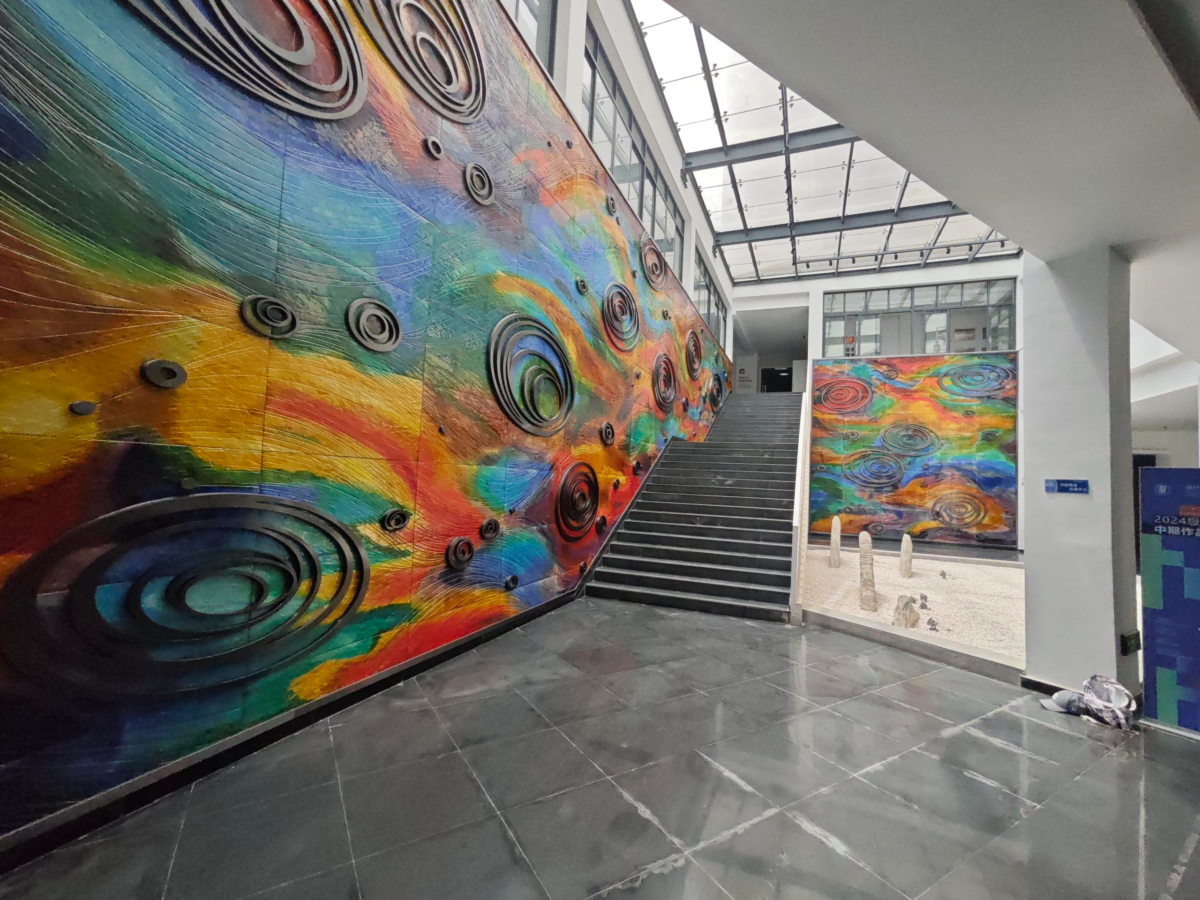
The maturing landscape of visual arts presents exciting innovative avenues for viewers, and ceramic art installations are at the pinnacle of this wave. These aren't just static sculptures; they are engineered to envelop the visitor in a sensory space. Imagine navigating within a forest of towering, fired ceramic trees, or navigating a mesh of exquisite ceramic vessels. Many artists are now incorporating acoustics, visuals, and even smell to enhance the effect of their work. Consider the power of a room filled with hundreds of delicately ceramic items, each telling a fable. Regularly, such installations probe themes of natural world, remembrance, and people.
- They installations blur the limits between sculpture and building.
- Experiencing a ceramic art installation can be a deeply moving journey.
- Artists are redefining the extents of what is accomplishable with clay.
That Radiance of the Earthenware Receptacle: Purpose and Outline
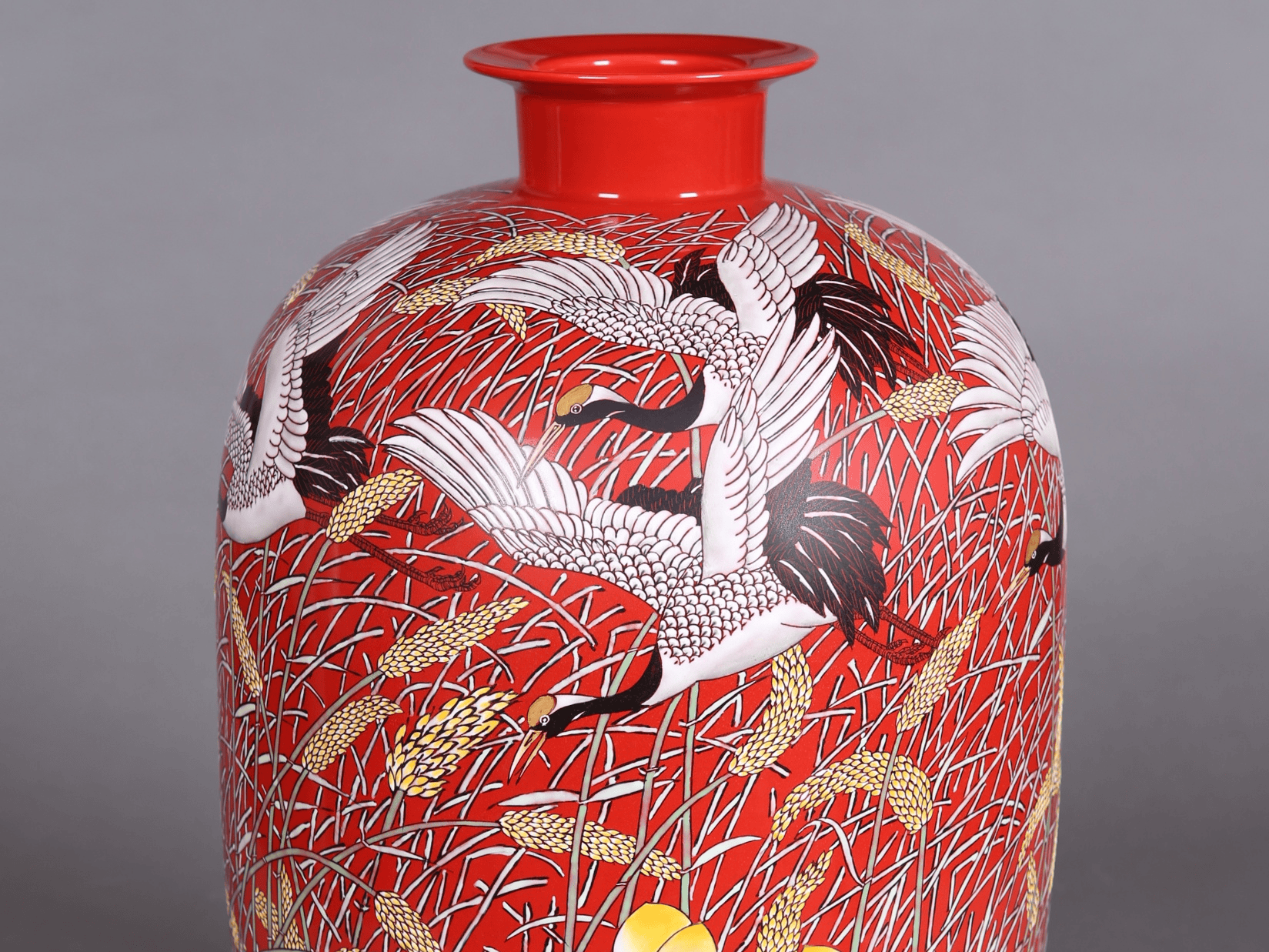
The ceramic urn represents a extraordinary combination of convenience and artistic appeal. Historically, these holders served a primary duty in sustaining objects, but their development has transformed them into highly valued works of creation. Each element showcases the expertise of the maker, demonstrating how contour can be as significant as role. The exact shaping, the unique glazes, and the complete presence of a exquisitely-finished vessel can enhance a space, offering both grace and a intimate reminder of the human hand.
Current Porcelain Model : Broadening Limits
Present-day stoneware figure represents a fascinating development from traditional practices. Makers are energetically testing with novel procedures, blurring the distinctions between pottery and diverse expressive domains. From colossal installations to complex miniature pieces, referenced works scrutinize themes of character while simultaneously redefining the essence of what pottery can represent. The product is a exciting world of imaginative representation.
Earthenware Inscription: Maintaining Tradition in Ceramic
Pottery plaques offer a distinctive method for recording significant events and people. Unlike traditional metal or stone markers, these enduring pieces of production are formed from treated clay, creating a palpable link to the preceding days. Generally, they showcase intricate sculptures or meticulously crafted imagery, narrating stories that might otherwise be forgotten. One technique, linked to ancient tribes, Ceramic Cup Set provides a stunning and permanent way to honor our collective record.
- The described can be positioned in shared spaces.
- Many are now accepted historical remnants.
Earthenware Art Displays: Transforming Sites
Earthenware art installations are growing a meaningful medium for makers to redefine public and private environments. These immersive installations frequently involve massive clay sculptures that absorb viewers, altering their perception of the assembled environment. By adopting diverse techniques like hand fabrication and intricate firing tactics, ceramic artists construct truly distinctive experiences, breaking down the divisions between work and structure. The result is often a powerful alteration that boosts the visual quality of the environment and inspires discussion.
Origin Lathe to Beauty: The Process of the Earthenware Receptacle
The journey of a earthenware receptacle from a simple lump of material to a perfected work of craft is a testament to human brilliance. Traditionally, the process launches with the potter’s wheel, where the adept artisan creates the spinning dirt into a cylindrical form. This primary process demands clearness and a keen eye, followed by a delicate curing period. Once soft-fired, the pot is ready for enhancement, which may embrace applying intricate ornaments, fashioning detailed pictures, or employing a diversity of glazes. The concluding treating process then turns the work into a durable and exquisite holder, a tangible demonstration of the maker's skill.
Shaping with Brick: A Introduction to Earthenware Design
Plunging the sector of pottery creation begins with learning the cornerstones of fashioning with clay. The technique demands attentively constructing and cutting material to form three-dimensional forms. Whether you're a newcomer or a proficient artisan, exploring with distinct categories of porcelain – notably pottery – will advance you locate your idiosyncratic expression. After all, brick forming is a valuable undertaking that connects dexterous mastery with expressive presentation.