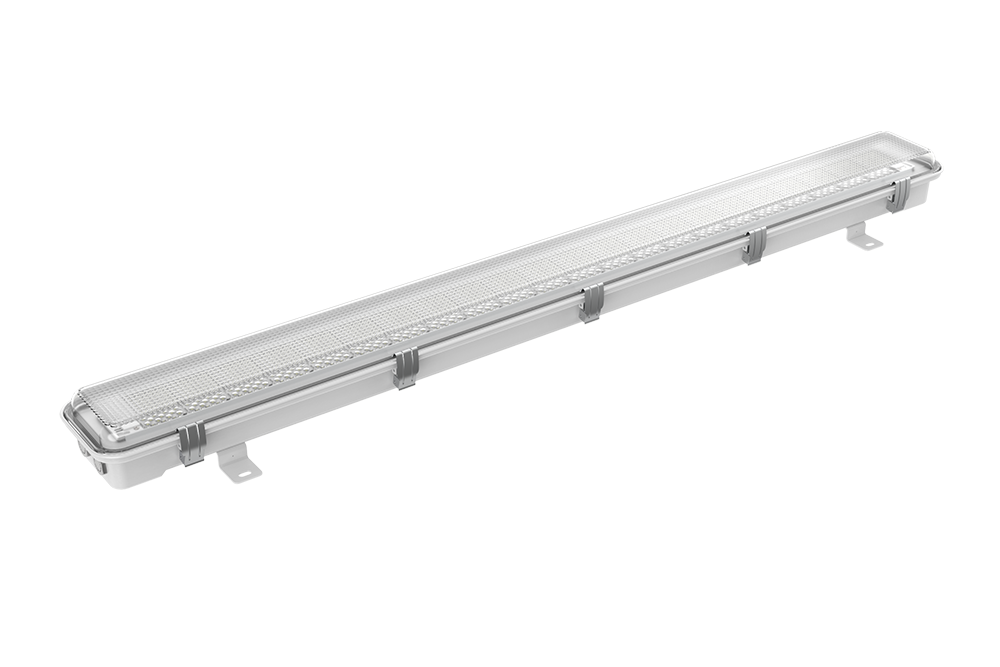
Opening this document investigates these devices concerning detonation-proof illumination alongside processing settings.
Acting effectively in treacherous areas especially refinery plants obliges specialized systems with the goal to thwart likely occurrences. Detonation-proof lights are essential modules in similar grounds, crafted to cope with discharges, reactive gases, and flammable atmospheres. All contraptions are not intrinsically non-hazardous; rather they are fabricated to sequester any enclosed electric burst or spark and prohibit it from setting off a larger combustion in the local environment. This overview supplies primary details about explosion-proof fixtures, their utilizations, and mitigation factors for deploying them effectively.
Understanding Explosion Proof Lighting Standards
Handling specific flammability-rated lighting guidelines can be challenging, especially among markets facing hazardous sites. These guidelines – often referring to regional bodies for instance the National Electrical Authority (NEC), ATEX (Europe), and IEC – impose precise design and setup protocols to prevent the hazard of flaring from non-explosive hardware. Understanding stipulated standards is important for ensuring team safety and compliance with legal directives.
Luminescent Spark Proof Lighting Devices: Efficiency & Security
Luminescent hazard-resistant illumination sources deliver a considerable enhancement over classic filament sources in locations where flammable vapors are present. These durable mechanisms purely yield premium energy management, culminating in diminished financial outlay, but notably promote a greater scale of preservation by avoiding the likelihood of sparks due to voltage flare-ups}.
Explosion Proofed Risky Location Treacherous Proof Fire Heat Spark Resistant} Devices : A Comprehensive Overview
Explosive Toxic Area Critical Proof} Devices are particularly designed lighting applications built to perform safely within potentially detonable settings. These robust fixtures block sparks, energy and charge bursts from igniting a significant explosion. They usually incorporate novel designs, comprising such as airtight housings and inherently safe voltage elements to preserve safety requirements in operations like crude & chemical gases processing, processing plants, resource recovery operations, and biomedical production.
Appointing the Suitable Detonation-Safe Fixtures for Treacherous Areas
Assessing the ideal fire-safe units for a given exclusion zone necessitates comprehensive evaluation. Parameters such as the class (e.g., Group I, II, or III and sectors 0) should be exactly analyzed to guarantee observance with corresponding safety guidelines. Additionally the location’s essential risks, take into account natural states, such as thermal state and water content, to discover a robust and risk-free fix. Systematically consult a certified professional to advise your determination.
Regions Where Are Explosion Proof Lights?
Explosion-proof also known as intrinsically safe|hazardous location|Class-rated} illumination units are undeniably needed in particular areas where dangerous substances or dust could likely create a explosive atmosphere. This often includes processing treatment plants, lacquer application areas, cereal handling facilities, and liquid waste treatment zones. Regulations, such as those from OSHA and UL, order their fitting in these sectors to avert the risk of flaring and keep operational effectiveness.
Upsides of Photon Emitting in Detonation Safe Sources
Upgrading to Photon Emitting technology for flammability rated units offers a remarkable range of perks. First, solid-state lights boast a much longer lifespan compared to traditional arc units, reducing support fees and outages. They are also intrinsically safer, producing mitigated radiant heat which curtails the potential of sparking in treacherous atmospheres. What is more, photon emitters are significantly efficient in energy use, leading to declined voltage use charges and a reduced sustainable environmental cost. Finally, the resilient design of Crystal-Based units resists the tough situations typical of intrinsically safe areas.
- Amplified Usability Span
- Lower Overhaul Fees
- Improved Defense
- Decreased Watt Utilization
- Enhanced Strength
Preserving and Testing Explosion Proof Lighting Systems
Periodic adjustment and exhaustive survey of blast-proof lighting systems are required essential for upholding safety and minimizing potential hazards. This entails a frequent review of all units, such as lighting apparatus, channels, power cables, and linked wire boxes. In particular, review for chemical decay, body impairments, and reliable earthing. In addition, guarantee that each signs are identifiable and that the light required by applicable codes.
- Carry out ocular reviews.
- Evaluate electrical joints.
- Certify hazardous area certification.
Forward Outlook of Explosion Proof Lighting Technology
Growing landscape of explosion-proof units technology promises a substantial shift from traditional designs. Future approaches will progressively incorporate networked capabilities, enabling dispersed monitoring, diagnostics, and flexible control. We anticipate a expanding adoption of solid-state technology, not only for its natural energy efficiency, but also its capability to facilitate included sensors for tracking toxic conditions. In addition, materials inspection is encouraging innovations in long-lasting housing materials, allowing explosion proof lights for lighter and more efficient designs, while maintaining the required levels of safety.
- Improved battery life for mobile applications.
- Combination with predictive maintenance platforms.
- Development of automatic lens devices.